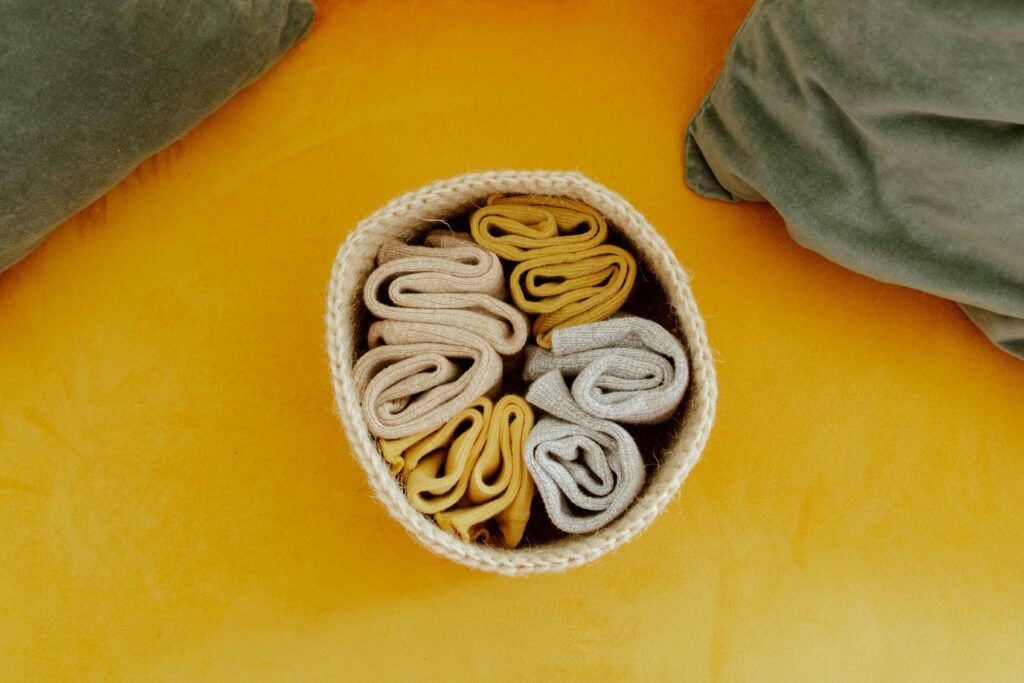
As global consumers prioritize sustainability and eco-friendliness, the textile industry is witnessing a shift toward innovative, renewable materials—and mycelium fabric (also known as fungal fabric) has emerged as a game-changer for B2B sock buyers. This biodegradable, low-carbon material not only meets the strict environmental standards of the EU, US, and other mature markets but also offers unique comfort and performance advantages. As a Haining-based socks trader deeply integrated with the global supply chain, we’re here to break down the latest mycelium fabric trends, its core applications in Haining sock production, and how we can help you seize this 2026 market opportunity.
1. What Is Mycelium Fabric, and Why Is It Trending in 2026?
Mycelium fabric is a natural, renewable material derived from the root structure of fungi (mycelium), cultivated in controlled environments using agricultural waste (corn stalks, wheat bran, or cotton pulp) as nutrients. Unlike traditional synthetic fabrics (e.g., polyester) or even some natural fabrics (e.g., cotton, which requires large amounts of water), mycelium fabric boasts a near-zero carbon footprint: no pesticides, minimal water, and full biodegradability within 180 days in natural environments.
The 2026 trend is driven by two key factors: rising consumer demand for eco-friendly products and stricter environmental regulations. A 2025 report by the European Textile Federation (EURATEX) shows 68% of EU consumers are willing to pay a 15-20% premium for socks made from renewable materials. Meanwhile, the US FTC’s new “Green Guides” require brands to provide verifiable sustainability proof—mycelium fabric, with its transparent, low-impact production process, perfectly meets these requirements. For B2B sock buyers, adopting mycelium fabric is not just a trend follow-up, but a strategic move to enhance brand competitiveness and avoid regulatory risks.
Compared to other sustainable materials (hemp, bamboo), mycelium fabric has unique advantages for socks: softer than hemp, more moisture-wicking than cotton, and naturally anti-bacterial—all critical features for high-quality, consumer-friendly socks.
2. Core Applications of Mycelium Fabric in Sock Production (2026 Latest)
Mycelium fabric’s versatility makes it suitable for a wide range of sock styles, from daily wear to sports and premium lines. Below are the most in-demand applications in global markets, tailored to B2B buyer needs and Haining’s production strengths:
- Daily Wear Socks (EU/US Mainstream): Mycelium fabric’s softness and breathability make it ideal for casual daily wear. Haining factories have optimized the weave to ensure lightweight (30-40g/m²), skin-friendly comfort with a smooth texture that avoids irritation—perfect for direct skin contact. These socks pair well with minimalistic designs, targeting eco-conscious consumers in Western Europe and North America. For example, a Dutch boutique brand we partnered with launched mycelium daily wear socks in 2025; their sales grew 45% within 6 months, driven by the material’s sustainability appeal.
- Sports Socks (High-Growth Segment): Mycelium fabric’s natural moisture-wicking and anti-bacterial properties solve two key consumer pain points: sweat accumulation and odor. Haining suppliers blend mycelium fiber with 5-8% spandex for elasticity, creating sports socks that are breathable, quick-drying, and durable—suitable for running, yoga, and low-to-moderate sports. All meet OEKO-TEX Class 2 certification, compliant with EU/US sports apparel regulations.
- Premium & Luxury Socks (Niche High-Profit Market): For high-end boutique brands, mycelium fabric’s uniqueness and sustainability story become a key selling point. Haining factories offer custom mycelium fabric in natural hues (beige, gray, olive) from plant-based dyes, avoiding synthetic colorants. Crafted with jacquard patterns or hand-finished details, these socks target luxury retailers and eco-luxury consumers in Switzerland, Sweden, and the US West Coast—with profit margins 30-50% higher than regular cotton socks.
- Infant Socks (Compliance-Focused): Mycelium fabric’s hypoallergenic, chemical-free properties make it ideal for infant socks (0-36 months), which require OEKO-TEX Class 1 certification. Haining’s top factories use food-grade nutrients during mycelium cultivation, ensuring no harmful substances—meeting the strictest EU/US safety standards. This segment is growing rapidly, with a 2026 forecast of 55% year-on-year growth in EU infant sock markets.
3. Haining’s Advantage in Mycelium Fabric Sock Production
While mycelium fabric is new, Haining’s mature textile cluster has quickly adapted, building a complete supply chain from mycelium cultivation to sock manufacturing—giving B2B buyers a one-stop solution with cost and efficiency advantages:
- Integrated Supply Chain: Haining partners with top Chinese mycelium fabric producers for exclusive supply channels, ensuring stable material supply and competitive pricing. Unlike suppliers relying on imported mycelium fabric (which increases costs by 25-30%), Haining’s local integration allows us to offer mycelium socks at 18-22% lower prices, with consistent quality.
- Mature Production Technology: Haining’s leading factories have optimized weaving and finishing processes for mycelium fabric, solving common industry issues (shrinkage, fragility). Our mycelium socks undergo 3-stage quality inspections to ensure shrinkage rate ≤ 3% (EU standards) and durability of 50+ washes without deformation. We also offer full customization: fabric thickness (200-300gsm), pattern design, and PANTONE color matching.
- Compliance & Certification Support: All Haining-produced mycelium socks are OEKO-TEX Class 1/2 certified (per style) and come with third-party biodegradability test reports (SGS, Intertek). We also provide carbon footprint verification documents, helping you meet the EU’s Carbon Border Adjustment Mechanism (CBAM) requirements and avoid customs delays.
- Fast Sampling & Bulk Production: Leveraging Haining’s AI-aided design and smart weaving machinery, we deliver mycelium sock samples within 5-7 days (faster than the industry average of 10-14 days) and complete bulk production (MOQ 500 pairs per style) within 20-25 days—helping you quickly launch new products and seize the 2026 market window.
4. How B2B Sock Buyers Can Seize the Mycelium Fabric Trend
To capitalize on this growing trend, we recommend B2B buyers focus on three key, actionable strategies:
- Align with High-Demand Market Segments: Prioritize EU/US markets (highest sustainability demand) and focus on daily wear, sports, and infant sock styles—these segments have the fastest growth and highest profit potential. Avoid over-investing in niche styles (e.g., decorative socks) where mycelium fabric’s advantages are not fully utilized.
- Emphasize Sustainability Storytelling: Highlight mycelium fabric’s eco-friendly features in your marketing (product descriptions, packaging, social media). Zeyusocks provides production process photos and certification documents to support your sustainability claims, building trust with end consumers.
- Partner with Reliable Haining Suppliers: Choose Haining suppliers with proven mycelium fabric experience—avoid unqualified factories using low-quality mycelium or fake sustainability claims. We offer free sample testing and small-batch trial orders, allowing you to verify quality before bulk orders.
Ready to launch mycelium fabric socks and lead the 2026 sustainability trend? Contact Zeyusocks today to get free mycelium fabric samples, customization suggestions, and a competitive quote tailored to your target market.